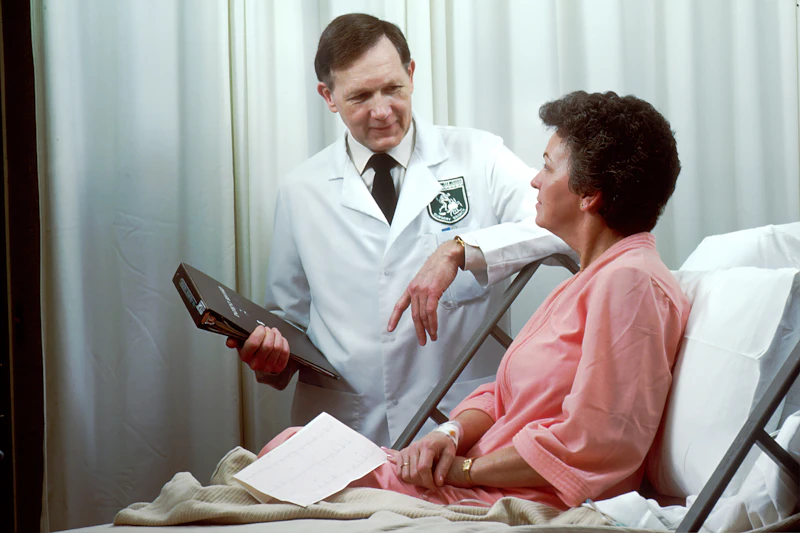
Comprehensive guide to intimate health during perimenopause including hormonal changes, symptom management, and wellness strategies. Learn expert perimenopausal intimate care from Dr. Priyanka Sharma.
# Intimate Health During Perimenopause: Complete Transitional Wellness Guide
**Meta Description:** Comprehensive guide to intimate health during perimenopause including hormonal changes, symptom management, and wellness strategies. Learn expert perimenopausal intimate care from Dr. Priyanka Sharma.
## Table of Contents
- Understanding Perimenopause and Intimate Changes
- Hormonal Fluctuations and Their Effects
- Managing Vaginal Dryness and Discomfort
- Sexual Function and Libido Changes
- Pelvic Floor Health Considerations
- Bone Health and Intimate Wellness
- Cardiovascular Health Connections
- Emotional and Psychological Aspects
- Natural Management Strategies
- Medical Treatment Options
- Partner Communication and Support
- Long-term Wellness Strategies
- Frequently Asked Questions
## Understanding Perimenopause and Intimate Changes
Perimenopause represents the transitional period leading up to menopause, typically beginning in a woman's 40s but sometimes starting as early as the mid-30s. Dr. Priyanka Sharma emphasizes that "perimenopause involves complex hormonal fluctuations that significantly affect intimate health, requiring personalized care approaches that address both immediate symptoms and long-term wellness."
This transition period can last anywhere from 2 to 10 years, during which women experience significant changes in hormone production, particularly estrogen and progesterone. These hormonal shifts create unique intimate health challenges that differ from both premenopausal and postmenopausal experiences, requiring specialized understanding and management approaches.
The intimate health impacts of perimenopause often begin subtly and gradually intensify, making early recognition and intervention crucial for optimal outcomes. Understanding that these changes are normal and manageable helps women navigate this transition with confidence and maintain intimate wellness throughout the process.
Perimenopausal intimate health changes affect not only physical comfort but also emotional wellbeing, relationship dynamics, and overall quality of life. Recognizing these interconnected impacts helps guide comprehensive care approaches that address all aspects of intimate wellness during this important life transition.
## Hormonal Fluctuations and Their Effects
The hormonal landscape of perimenopause is characterized by erratic fluctuations rather than steady decline, creating unpredictable symptoms that can significantly impact intimate health and overall wellbeing. Understanding these hormonal patterns helps explain the variable nature of perimenopausal experiences.
Estrogen levels during perimenopause often fluctuate dramatically, sometimes reaching higher-than-normal levels before eventually declining. These fluctuations can cause alternating symptoms such as vaginal dryness, breast tenderness, mood changes, and irregular bleeding patterns that affect intimate comfort and sexual function.
Progesterone production typically declines earlier and more consistently than estrogen, creating an imbalance that can lead to estrogen dominance symptoms. This hormonal imbalance may contribute to weight gain, bloating, mood swings, and changes in intimate tissue health that require targeted management strategies.
Testosterone levels also change during perimenopause, though more gradually than estrogen and progesterone. These changes can affect libido, energy levels, and intimate tissue health, contributing to the complex symptom patterns that characterize this transition period.
## Managing Vaginal Dryness and Discomfort
Vaginal dryness is one of the most common and bothersome intimate health issues during perimenopause, affecting up to 50% of women during this transition. The unpredictable nature of hormonal fluctuations means that dryness symptoms may come and go, requiring flexible management approaches.
The physiological basis for perimenopausal vaginal dryness involves changes in intimate tissue structure and function as estrogen levels fluctuate. These changes can include thinning of vaginal walls, decreased lubrication production, and changes in tissue elasticity that contribute to discomfort during daily activities and intimate encounters.
Management strategies for vaginal dryness include using appropriate lubricants for sexual activity, vaginal moisturizers for daily comfort, and avoiding products that may worsen dryness such as harsh soaps or hygiene products. Dr. Sharma emphasizes that "consistent use of appropriate products can significantly improve comfort and prevent progression of tissue changes."
Timing of interventions becomes important during perimenopause due to the fluctuating nature of symptoms. Some women may need more intensive management during certain phases of their cycles or during times of increased stress, while others may find that symptoms improve spontaneously during other periods.
## Sexual Function and Libido Changes
Sexual function during perimenopause often undergoes significant changes due to the complex interplay of hormonal fluctuations, physical symptoms, and psychological factors. Understanding these multifaceted changes helps guide appropriate management strategies and maintains intimate relationship satisfaction.
Libido changes during perimenopause are highly variable, with some women experiencing decreased sexual desire while others report increased libido or fluctuating patterns that correspond with hormonal changes. These variations are normal and require individualized approaches to maintain sexual satisfaction.
Physical factors affecting sexual function include vaginal dryness, changes in tissue sensitivity, hot flashes during intimate activities, and sleep disturbances that affect overall energy and interest in sexual activity. Addressing these physical factors often requires combination approaches that target multiple symptoms simultaneously.
Psychological factors such as body image changes, mood swings, anxiety about aging, and relationship stress can significantly impact sexual function during perimenopause. These psychological aspects require sensitive attention and may benefit from professional support when they significantly affect quality of life.
## Pelvic Floor Health Considerations
Pelvic floor health becomes increasingly important during perimenopause as hormonal changes affect muscle tone, connective tissue strength, and overall pelvic support structures. Understanding these changes helps guide appropriate exercise and care strategies that support long-term intimate wellness.
Estrogen fluctuations during perimenopause can affect pelvic floor muscle strength and coordination, potentially leading to changes in bladder control, sexual function, and pelvic organ support. These effects may be subtle initially but can progress if not addressed through appropriate exercise and care strategies.
Pelvic floor exercises become crucial during perimenopause for maintaining muscle strength, supporting intimate tissue health, and preventing progression toward more severe pelvic floor dysfunction. Regular exercise programs should be individualized based on current symptoms and overall health status.
Professional assessment of pelvic floor function may be beneficial for women experiencing symptoms such as urinary leakage, pelvic pressure, or changes in sexual function during perimenopause. Pelvic floor physical therapists can provide specialized guidance and treatment approaches that support optimal outcomes.
## Bone Health and Intimate Wellness
The connection between bone health and intimate wellness becomes increasingly important during perimenopause as estrogen decline begins to affect bone density. Understanding this relationship helps guide comprehensive care approaches that support both skeletal and intimate health throughout the transition.
Estrogen plays crucial roles in maintaining bone density, and the declining levels during perimenopause can lead to early bone loss that may not be immediately apparent but can affect long-term health and mobility. These changes can indirectly impact intimate health through effects on physical activity, comfort, and overall wellbeing.
Nutritional considerations for supporting both bone and intimate health during perimenopause include adequate calcium and vitamin D intake, protein consumption for muscle maintenance, and anti-inflammatory foods that support tissue health. These nutritional approaches should be integrated with other management strategies for optimal outcomes.
Exercise programs that support both bone density and intimate health include weight-bearing activities, resistance training, and exercises that promote circulation and tissue health. These programs should be tailored to individual fitness levels and any existing health conditions.
## Cardiovascular Health Connections
Cardiovascular health and intimate wellness are closely connected during perimenopause, with hormonal changes affecting both systems in ways that require integrated management approaches. Understanding these connections helps guide comprehensive care strategies that support overall health throughout the transition.
Estrogen has protective effects on cardiovascular health, and the declining levels during perimenopause can lead to changes in blood vessel function, cholesterol levels, and blood pressure that may affect intimate tissue health and overall circulation. These changes often begin subtly but can have significant long-term impacts.
Circulation changes during perimenopause can affect intimate tissue health through reduced blood flow, changes in tissue oxygenation, and altered response to sexual stimulation. These circulatory effects may contribute to symptoms such as decreased arousal, changes in orgasmic response, and slower tissue healing.
Lifestyle factors that support both cardiovascular and intimate health include regular exercise, stress management, adequate sleep, and avoiding smoking. These approaches provide synergistic benefits that support overall wellness during perimenopause and beyond.
## Emotional and Psychological Aspects
The emotional and psychological aspects of perimenopausal intimate health changes are often as significant as the physical symptoms, requiring comprehensive approaches that address mental wellbeing alongside physical care. Understanding these psychological impacts helps guide appropriate support strategies.
Mood changes during perimenopause can significantly affect intimate relationships through increased irritability, anxiety, depression, or emotional volatility. These mood changes are often related to hormonal fluctuations but may be exacerbated by life stressors that commonly occur during this life stage.
Body image concerns may develop as women notice changes in weight distribution, skin texture, intimate tissue appearance, or overall physical function. These concerns can significantly impact sexual confidence and willingness to engage in intimate activities, requiring sensitive attention and support.
Relationship dynamics often shift during perimenopause as both partners navigate changing roles, aging concerns, and evolving intimacy needs. Open communication and mutual support become especially important for maintaining relationship satisfaction throughout this transition.
## Natural Management Strategies
Natural management approaches for perimenopausal intimate health issues include dietary modifications, herbal supplements, lifestyle adjustments, and stress management techniques. These strategies can complement medical treatments and support overall wellness during the transition.
Phytoestrogen-rich foods such as soy products, flaxseeds, and legumes may help moderate hormonal fluctuations and support intimate tissue health. These foods contain plant compounds that have mild estrogen-like effects and may provide symptom relief for some women.
Herbal supplements such as black cohosh, evening primrose oil, and red clover have been used traditionally for menopausal symptoms, though scientific evidence varies. These supplements should be used under healthcare provider guidance and as part of comprehensive treatment approaches.
Stress management techniques including meditation, yoga, tai chi, and regular exercise can help reduce the impact of hormonal fluctuations on mood and physical symptoms. These practices support both intimate health and overall quality of life during perimenopause.
## Medical Treatment Options
Medical treatment options for perimenopausal intimate health issues range from hormone therapy to non-hormonal medications and targeted therapies for specific symptoms. Understanding available options helps women make informed decisions about their care.
Hormone therapy may be appropriate for some women experiencing significant perimenopausal symptoms, though the decision requires careful consideration of individual risk factors and benefits. Various formulations and delivery methods are available to address different symptoms and preferences.
Non-hormonal medications such as selective serotonin reuptake inhibitors (SSRIs), gabapentin, or clonidine may help manage specific symptoms including hot flashes, mood changes, or sleep disturbances that affect intimate health and overall quality of life.
Vaginal estrogen therapy can be particularly effective for intimate tissue symptoms such as dryness, discomfort, or changes in sexual function. These localized treatments provide symptom relief with minimal systemic effects for most women.
## Partner Communication and Support
Partner communication about perimenopausal changes requires openness, education, and mutual understanding. Many partners struggle to understand the complex and variable nature of perimenopausal symptoms and their impacts on intimate relationships.
Education about perimenopause helps partners understand that intimate health changes are related to normal hormonal transitions rather than relationship problems or loss of attraction. This understanding can reduce relationship stress and improve support for management strategies.
Communication strategies include discussing symptom patterns, expressing needs and concerns, exploring alternative forms of intimacy when traditional activities are uncomfortable, and maintaining emotional connection throughout the transition process.
Supporting partners may also need resources and support to cope with the challenges of being in a relationship with someone experiencing significant health changes. Couples counseling or support groups can provide valuable assistance for maintaining healthy relationships.
## Long-term Wellness Strategies
Long-term wellness strategies for perimenopausal intimate health involve developing sustainable habits and care approaches that support optimal outcomes throughout the transition and into postmenopause. These strategies should be flexible enough to accommodate changing needs and circumstances.
Ongoing healthcare maintenance includes regular monitoring of symptoms, adjustment of treatment strategies as needed, and preventive care that supports both intimate and overall health. Establishing relationships with healthcare providers experienced in menopausal health supports optimal long-term outcomes.
Lifestyle maintenance strategies include consistent exercise programs, healthy eating patterns, stress management practices, and attention to sleep quality. These habits support both immediate symptom management and long-term health throughout the aging process.
Relationship maintenance approaches include regular communication about changing needs, adaptation to evolving intimacy patterns, and seeking professional support when needed. These strategies help maintain satisfying intimate relationships throughout the menopausal transition and beyond.
## Frequently Asked Questions
**Q: How long does perimenopause typically last?**
A: Perimenopause usually lasts 2-8 years, with an average of about 4 years. However, individual experiences vary significantly, with some women having shorter transitions while others experience symptoms for a decade or more.
**Q: Is it normal to have irregular periods during perimenopause?**
A: Yes, irregular periods are one of the hallmark symptoms of perimenopause. Cycles may become longer or shorter, heavier or lighter, and increasingly unpredictable as hormone levels fluctuate.
**Q: Will my sex drive come back after perimenopause?**
A: Many women find that libido improves once hormone levels stabilize after menopause, though individual experiences vary. Addressing underlying causes and maintaining intimate connection during the transition supports better long-term outcomes.
**Q: Are there natural ways to manage perimenopausal symptoms?**
A: Yes, lifestyle approaches including regular exercise, healthy diet, stress management, and adequate sleep can significantly improve symptoms. Some women also benefit from herbal supplements, though these should be used under healthcare provider guidance.
**Q: When should I consider hormone therapy for perimenopause?**
A: Hormone therapy may be appropriate if symptoms significantly impact quality of life and other approaches haven't provided adequate relief. The decision requires careful discussion with your healthcare provider about individual risks and benefits.
**Q: How do I know if I'm in perimenopause or if something else is wrong?**
A: If you're in your 40s and experiencing irregular periods along with other symptoms like hot flashes, sleep changes, or mood swings, perimenopause is likely. However, it's important to discuss symptoms with your healthcare provider to rule out other conditions.
**Q: Can I still get pregnant during perimenopause?**
A: Yes, pregnancy is still possible during perimenopause, though fertility declines. If you don't want to become pregnant, continue using contraception until you've gone 12 months without a period.
**Q: Will perimenopause symptoms get worse before they get better?**
A: Symptom patterns vary significantly. Some women experience gradually worsening symptoms, while others have fluctuating patterns or find that symptoms improve with appropriate management strategies.
**Q: How can I talk to my partner about perimenopausal changes?**
A: Open, honest communication about physical and emotional changes is essential. Focus on educating your partner about what you're experiencing and expressing your needs clearly while maintaining emotional connection.
**Q: Are there specific foods that help with perimenopausal intimate health?**
A: Foods rich in phytoestrogens (soy, flaxseeds), omega-3 fatty acids (fish, walnuts), and antioxidants (colorful fruits and vegetables) may support intimate health. Staying hydrated and limiting processed foods also helps.
## Conclusion
Perimenopause represents a significant transition that affects intimate health through complex hormonal, physical, and emotional changes. Understanding that these changes are normal and manageable provides a foundation for developing effective care strategies that support optimal outcomes throughout this important life transition.
The key to successfully navigating perimenopausal intimate health challenges lies in early recognition of symptoms, comprehensive care approaches that address both physical and emotional aspects, and maintaining open communication with both healthcare providers and partners. With appropriate support and resources, most women maintain satisfying intimate relationships and optimal intimate health throughout perimenopause and beyond.
Remember that perimenopause affects each woman differently, and management strategies must be personalized to individual needs, symptom patterns, and life circumstances. Ongoing education, support, and advocacy help ensure that women receive the comprehensive care they deserve for optimal intimate wellness during this important transition period.
---
**Disclaimer:** This blog post is for informational purposes only and does not constitute medical advice. Always consult with qualified healthcare providers for personalized medical guidance. Individual results and experiences may vary. This content is based on general medical knowledge and should not replace professional medical consultation.
Discussion
Have questions or thoughts about this article? Share them with us.
Comments are moderated. Your email address will not be published.