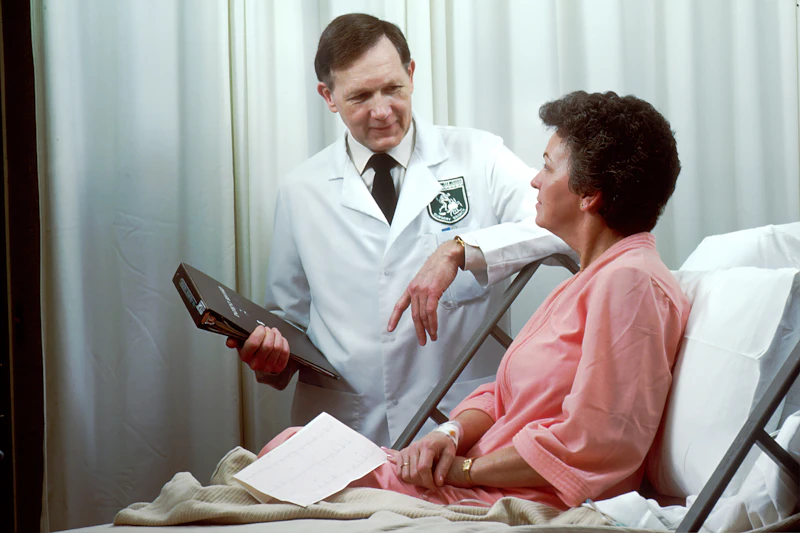
Comprehensive guide to intimate health during pregnancy including common changes, safe treatments, and expert care protocols. Learn essential intimate wellness strategies for expecting mothers from Dr. Priyanka Sharma.
# Intimate Health for Pregnant Women: Complete Care Guide for Expecting Mothers
**Meta Description:** Comprehensive guide to intimate health during pregnancy including common changes, safe treatments, and expert care protocols. Learn essential intimate wellness strategies for expecting mothers from Dr. Priyanka Sharma.
## Table of Contents
- Understanding Intimate Changes During Pregnancy
- Common Pregnancy-Related Intimate Health Issues
- Safe Intimate Care Practices During Pregnancy
- Managing Discharge and Hygiene
- Dealing with Itching and Irritation
- Vaginal Health and Infection Prevention
- Sexual Intimacy During Pregnancy
- Preparing for Labor and Delivery
- Postpartum Recovery Planning
- When to Seek Medical Attention
- Partner Communication and Support
- Frequently Asked Questions
## Understanding Intimate Changes During Pregnancy
Pregnancy brings significant changes to a woman's body, including the intimate areas. These changes are natural and necessary to support the growing baby and prepare for delivery.
### Hormonal Influences
- **Estrogen and progesterone** levels increase dramatically
- **Increased blood flow** to the pelvic region
- **Vaginal tissue changes** become more elastic and sensitive
- **pH balance shifts** to protect against infections
### Physical Changes
- **Vaginal discharge increases** in volume and consistency
- **Labial swelling** and increased sensitivity
- **Cervical changes** including softening and increased mucus production
- **Pelvic floor relaxation** to accommodate the growing uterus
## Common Pregnancy-Related Intimate Health Issues
### Vaginal Discharge Changes
**Normal discharge during pregnancy**:
- Clear to white in color
- Mild or no odor
- Increases in volume as pregnancy progresses
- May become thicker and more noticeable
**Abnormal discharge requiring attention**:
- Green, yellow, or gray color
- Strong, fishy, or foul odor
- Accompanied by itching or burning
- Foamy or cottage cheese-like consistency
### Increased Risk of Infections
Pregnancy hormones can make women more susceptible to:
- **Yeast infections** (candidiasis)
- **Bacterial vaginosis**
- **Urinary tract infections**
- **Sexually transmitted infections**
### Vulvar Varicosities
Some pregnant women develop varicose veins in the vulvar area, which can cause:
- Swelling and discomfort
- Heaviness or pressure
- Worsening symptoms with prolonged standing
## Safe Intimate Care Practices During Pregnancy
### Gentle Cleansing Routine
**Recommended practices**:
- Use warm water only for daily cleansing
- Choose mild, fragrance-free cleansers if needed
- Wash from front to back to prevent contamination
- Pat dry gently with a clean towel
- Avoid douching completely
**Products to avoid**:
- Scented soaps and body washes
- Harsh antibacterial cleansers
- Vaginal deodorants or sprays
- Exfoliating products in intimate areas
### Appropriate Clothing Choices
- **Cotton underwear** for breathability
- **Loose-fitting clothing** to reduce moisture buildup
- **Change underwear daily** and after exercise
- **Avoid tight pants** or synthetic materials
- **Sleep without underwear** when possible
### Hair Removal Considerations
**Safe options during pregnancy**:
- Trimming with clean scissors
- Gentle shaving with proper hygiene
- Professional waxing (if comfortable)
**Avoid during pregnancy**:
- Chemical hair removal creams
- Laser hair removal treatments
- Electrolysis procedures
## Managing Discharge and Hygiene
### Daily Hygiene Protocol
1. **Morning routine**: Gentle cleansing with warm water
2. **Midday check**: Change panty liners if using them
3. **Evening routine**: Light cleansing if needed
4. **Sleep preparation**: Fresh underwear and loose clothing
### Managing Increased Discharge
**Practical tips**:
- Use unscented panty liners and change frequently
- Keep intimate area clean and dry
- Wear breathable cotton underwear
- Avoid sitting in wet clothing or swimsuits
**When to be concerned**:
- Sudden change in color or consistency
- Accompanying itching, burning, or irritation
- Strong or unusual odor
- Bleeding or spotting
## Dealing with Itching and Irritation
### Common Causes
- **Hormonal changes** affecting skin sensitivity
- **Increased discharge** causing moisture buildup
- **Yeast infections** more common in pregnancy
- **Contact dermatitis** from products or fabrics
### Relief Strategies
**Immediate comfort measures**:
- Cool compresses to reduce itching
- Sitz baths with plain warm water
- Loose cotton clothing
- Avoid scratching to prevent irritation
**Natural remedies** (consult your doctor first):
- Plain yogurt with live cultures (external use only)
- Coconut oil for mild irritation
- Oatmeal baths for soothing relief
### When to Seek Help
Contact your healthcare provider if:
- Itching is severe or persistent
- You notice rash or lesions
- Symptoms worsen or don't improve
- You have concerns about infection
## Vaginal Health and Infection Prevention
### Yeast Infection Prevention
**Proactive measures**:
- Maintain good hygiene practices
- Wear breathable cotton underwear
- Avoid excessive sugar in diet
- Take probiotics if recommended by your doctor
**Early recognition**:
- Thick, white, cottage cheese-like discharge
- Intense itching and irritation
- Redness and swelling
- Burning during urination
### Bacterial Vaginosis Prevention
- **Maintain healthy vaginal pH**
- **Avoid douching**
- **Practice safe sex**
- **Limit antibiotic use** to when necessary
### Safe Treatment Options
**Always consult your healthcare provider before treatment**:
- Prescription antifungal medications (safe for pregnancy)
- Topical treatments rather than oral medications
- Natural remedies only with medical approval
## Sexual Intimacy During Pregnancy
### Physical Considerations
**First trimester**:
- May experience decreased libido due to fatigue and nausea
- Breast tenderness may affect comfort
- Vaginal dryness is common
**Second trimester**:
- Often the most comfortable time for intimacy
- Increased blood flow may enhance sensation
- Energy levels typically improve
**Third trimester**:
- Physical positioning may require adjustment
- Increased discharge and sensitivity
- Braxton Hicks contractions may occur
### Safe Practices
**Communication with your partner**:
- Discuss comfort levels and concerns openly
- Be honest about physical and emotional changes
- Explore alternative forms of intimacy if needed
**Positioning recommendations**:
- Side-lying positions for comfort
- Woman-on-top for control and comfort
- Rear-entry positions may be more comfortable
- Avoid positions that put pressure on the abdomen
**When to avoid intercourse**:
- If your doctor has advised against it
- If you have placenta previa
- If your water has broken
- If you're experiencing bleeding or cramping
## Preparing for Labor and Delivery
### Perineal Massage
**Benefits**:
- May reduce the risk of tearing during delivery
- Helps prepare tissues for stretching
- Can improve comfort during delivery
**Technique** (after 34 weeks with doctor's approval):
1. Use clean hands and natural oil
2. Gently massage the perineal area
3. Apply gentle pressure and stretch
4. Practice regularly for best results
### Pelvic Floor Exercises
**Kegel exercises during pregnancy**:
- Strengthen muscles for labor and delivery
- Help with postpartum recovery
- May reduce incontinence issues
**How to perform**:
1. Identify pelvic floor muscles
2. Contract and hold for 5-10 seconds
3. Relax completely
4. Repeat 10-15 times, 3 times daily
### Preparing Your Body
**Physical preparation**:
- Maintain good posture and body mechanics
- Practice relaxation techniques
- Stay active with approved exercise
- Attend childbirth preparation classes
## Postpartum Recovery Planning
### Immediate Postpartum Period
**What to expect**:
- Vaginal bleeding (lochia) for 4-6 weeks
- Swelling and discomfort
- Hormonal fluctuations
- Breast changes and milk production
### Recovery Timeline
**First 2 weeks**:
- Focus on rest and healing
- Gentle movement and walking
- Proper nutrition and hydration
- Monitor for complications
**2-6 weeks postpartum**:
- Gradual increase in activity
- Continue pelvic floor exercises
- Attend postpartum checkups
- Gradual return to normal activities
**6+ weeks postpartum**:
- Medical clearance for resuming activities
- Consider intimate health concerns
- Plan for long-term wellness
### Long-term Intimate Health
**Ongoing considerations**:
- Hormonal changes may continue
- Breastfeeding affects hormone levels
- Body image and confidence issues
- Relationship adjustments
## When to Seek Medical Attention
### Immediate Concerns
**Contact your healthcare provider immediately if you experience**:
- Heavy bleeding or bright red bleeding
- Severe abdominal or pelvic pain
- Fever or signs of infection
- Sudden swelling or severe headaches
- Decreased fetal movement
### Intimate Health Concerns
**Schedule an appointment for**:
- Persistent itching, burning, or irritation
- Unusual or foul-smelling discharge
- Pain during urination or intercourse
- Signs of infection (redness, swelling, warmth)
- Concerns about sexual health or intimacy
### Routine Care
**Regular prenatal visits**:
- Discuss intimate health concerns openly
- Ask questions about normal changes
- Address any discomfort or issues
- Receive appropriate screenings and tests
## Partner Communication and Support
### Open Dialogue
**Topics to discuss with your partner**:
- Physical changes and how they affect intimacy
- Emotional needs and concerns
- Expectations during pregnancy
- Support needs and preferences
### Building Support
**How partners can help**:
- Attend prenatal appointments together
- Learn about pregnancy changes
- Provide emotional support
- Help with daily tasks and self-care
### Maintaining Connection
**Beyond physical intimacy**:
- Emotional support and understanding
- Non-sexual physical affection
- Shared activities and interests
- Communication and quality time
## Frequently Asked Questions
**Q: Is increased vaginal discharge during pregnancy normal?**
A: Yes, increased discharge is normal due to hormonal changes and increased blood flow. However, if discharge has a strong odor, unusual color, or is accompanied by itching or burning, consult your healthcare provider.
**Q: Can I use feminine hygiene products during pregnancy?**
A: It's best to avoid scented products, douches, and harsh cleansers during pregnancy. Use mild, fragrance-free products if needed, and focus on gentle cleansing with warm water.
**Q: Is it safe to have sex during pregnancy?**
A: In most cases, sexual activity is safe during pregnancy. However, consult your healthcare provider if you have complications such as placenta previa, preterm labor risk, or other concerns.
**Q: How can I prevent yeast infections during pregnancy?**
A: Wear breathable cotton underwear, maintain good hygiene, avoid excessive sugar in your diet, and consider probiotics if recommended by your doctor. Always seek medical treatment for suspected infections.
**Q: What should I do about vulvar varicosities?**
A: Elevate your hips when resting, wear supportive underwear, avoid prolonged standing, and use cold compresses for relief. Most resolve after delivery but discuss persistent symptoms with your doctor.
**Q: When should I start perineal massage?**
A: Perineal massage can typically be started after 34 weeks of pregnancy, but always get approval from your healthcare provider first. It may help reduce tearing during delivery.
**Q: Is it normal to have decreased libido during pregnancy?**
A: Yes, hormonal changes, fatigue, and physical discomfort can affect libido. Communication with your partner and healthcare provider can help address concerns and find solutions.
**Q: How do I know if I have an infection that needs treatment?**
A: Watch for symptoms like unusual discharge, strong odor, itching, burning, or pain. When in doubt, consult your healthcare provider for proper diagnosis and treatment.
**Q: Can I use hair removal creams during pregnancy?**
A: It's best to avoid chemical hair removal products during pregnancy due to potential absorption. Stick to gentle shaving, trimming, or professional waxing if comfortable.
**Q: What intimate changes should I expect after delivery?**
A: Expect vaginal bleeding, swelling, and hormonal fluctuations. Recovery timeline varies, but most women feel significantly better by 6 weeks postpartum. Attend all follow-up appointments.
## Conclusion
Intimate health during pregnancy requires special attention and care. By understanding the normal changes, practicing safe hygiene, and knowing when to seek help, expecting mothers can maintain optimal intimate wellness throughout their pregnancy journey.
Remember that every pregnancy is unique, and what works for one woman may not work for another. Always consult with your healthcare provider about your specific situation and concerns.
Dr. Priyanka Sharma and the team at NOVA Intimate Clinic are dedicated to supporting women's intimate health throughout all life stages, including pregnancy. Don't hesitate to reach out for personalized care and guidance during this special time.
---
**About the Author:**
*Dr. Priyanka Sharma, MD, is a leading cosmetic gynecologist at NOVA Intimate Clinic in Kathmandu, Nepal, with extensive experience in women's intimate health and pregnancy-related care. She specializes in providing comprehensive intimate health services for women throughout all life stages, including specialized care for expecting mothers.*
**Medical Disclaimer:**
*This blog post is for informational purposes only and does not replace professional medical advice. Always consult with your healthcare provider about your specific pregnancy concerns and before starting any new treatments or practices. Individual results may vary, and what works for one person may not work for another.*
Discussion
Have questions or thoughts about this article? Share them with us.
Comments are moderated. Your email address will not be published.