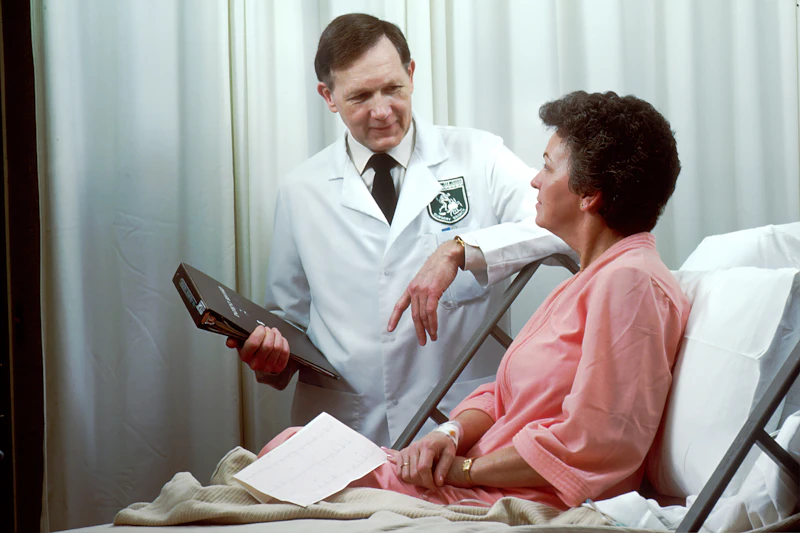
Comprehensive guide to intimate health for senior women including aging changes, medical considerations, and wellness strategies. Learn expert senior-specific intimate care from Dr. Priyanka Sharma.
# Intimate Health for Senior Women: Complete Wellness Guide
**Meta Description:** Comprehensive guide to intimate health for senior women including aging changes, medical considerations, and wellness strategies. Learn expert senior-specific intimate care from Dr. Priyanka Sharma.
## Table of Contents
- Understanding Senior Intimate Health Changes
- Age-Related Physical Changes
- Managing Chronic Conditions and Medications
- Sexual Health and Function
- Pelvic Floor Health and Incontinence
- Preventive Care and Screening
- Treatment Options and Safety Considerations
- Partner Communication and Relationships
- Emotional and Psychological Aspects
- Long-term Care and Support
- When to Seek Medical Help
- Frequently Asked Questions
## Understanding Senior Intimate Health Changes
Senior intimate health encompasses the unique challenges and considerations that arise as women age beyond typical menopause years, typically after age 65. Dr. Priyanka Sharma emphasizes that "senior intimate health requires specialized understanding of age-related changes, chronic disease impacts, and the intersection of medical conditions with intimate wellness needs."
The aging process affects intimate health through multiple mechanisms including hormonal changes, tissue alterations, medication effects, and the accumulation of chronic health conditions. Understanding these complex interactions helps guide appropriate care strategies that support optimal intimate wellness throughout the senior years.
Senior women often face unique challenges including increased medication use, multiple chronic conditions, physical limitations, and social factors that affect intimate health. These considerations require comprehensive approaches that address medical, functional, and psychosocial aspects of intimate wellness.
The intimate health needs of senior women continue to be important for overall quality of life, relationship satisfaction, and personal wellbeing. Recognizing that intimate health remains relevant throughout life helps ensure appropriate attention and care for these essential aspects of senior health.
## Age-Related Physical Changes
Age-related physical changes affecting intimate health in senior women include continued hormonal effects, tissue changes, decreased elasticity, and alterations in blood flow and nerve function. These changes require adaptation of care strategies and expectations while maintaining focus on optimal intimate wellness.
Tissue changes include further thinning and drying of vaginal and vulvar tissues that may have begun during menopause. These changes can progress with age, potentially requiring more intensive management strategies to maintain comfort and function during intimate activities.
Elasticity changes affect intimate tissues throughout the body, potentially impacting comfort, function, and healing capacity. Understanding these changes helps guide appropriate treatment approaches and realistic expectations for intimate health outcomes.
Blood flow and nerve function changes may affect sexual response, tissue health, and healing capacity. These physiological alterations require consideration when planning treatments or interventions that affect intimate health and function.
## Managing Chronic Conditions and Medications
Chronic conditions commonly affecting senior women significantly impact intimate health through disease mechanisms, treatment effects, and functional limitations. Understanding these relationships helps guide comprehensive care approaches that address both chronic disease management and intimate wellness needs.
Diabetes affects intimate health through multiple mechanisms including nerve damage, blood flow changes, increased infection risk, and tissue healing impairment. Senior women with diabetes require specialized intimate care approaches that address these specific challenges while maintaining optimal intimate function.
Cardiovascular disease and its treatments may affect intimate health through blood flow changes, exercise limitations, and medication effects. Understanding these impacts helps guide appropriate modifications to intimate activities and treatment approaches that support both cardiac and intimate health.
Arthritis and other musculoskeletal conditions can significantly impact intimate comfort and function through pain, stiffness, and mobility limitations. These conditions require adaptive strategies that accommodate physical limitations while maintaining intimate wellness and relationship satisfaction.
Medication effects become increasingly important for senior intimate health as polypharmacy (multiple medications) becomes common. Many medications can affect intimate function, tissue health, and sexual response, requiring careful consideration and management strategies.
## Sexual Health and Function
Sexual health and function in senior women involves understanding age-related changes while maintaining focus on intimacy, relationship satisfaction, and overall quality of life. These considerations require adapting expectations and approaches while preserving the importance of intimate relationships.
Libido changes in senior years may result from hormonal factors, medication effects, chronic conditions, relationship changes, or psychosocial factors. Understanding these multifactorial influences helps guide appropriate management strategies that support optimal sexual health and satisfaction.
Physical function changes may require modifications to intimate activities, positioning, or timing to accommodate physical limitations while maintaining satisfying intimate relationships. These adaptations support continued intimacy despite age-related or health-related challenges.
Sexual response changes are common and may include longer arousal time, changes in orgasmic experience, or different patterns of sexual interest. Understanding these normal changes helps reduce anxiety and supports adaptation strategies that maintain intimate satisfaction.
## Pelvic Floor Health and Incontinence
Pelvic floor health becomes increasingly important for senior women as age-related changes, chronic conditions, and previous life events affect muscle function and continence. Understanding these relationships helps guide appropriate management strategies for optimal intimate and urinary wellness.
Urinary incontinence affects many senior women and significantly impacts intimate health through physical discomfort, emotional distress, and activity limitations. Management strategies include pelvic floor exercises, lifestyle modifications, and medical treatments when appropriate.
Pelvic organ prolapse may develop or worsen with age, potentially affecting intimate comfort, urinary function, and overall quality of life. Understanding treatment options and management strategies helps maintain optimal intimate health despite these challenges.
Pelvic floor muscle changes with age include decreased muscle mass, reduced nerve function, and potential weakness from various contributing factors. Regular exercise and appropriate medical care support optimal pelvic floor function throughout senior years.
## Preventive Care and Screening
Preventive care and screening for senior intimate health includes age-appropriate cancer screening, infection prevention, and monitoring for age-related changes that affect intimate wellness. These preventive approaches support early detection and optimal management of intimate health concerns.
Cancer screening continues to be important for senior women, with specific recommendations based on individual risk factors and health status. Understanding current screening guidelines helps ensure appropriate preventive care while avoiding unnecessary interventions.
Infection prevention becomes increasingly important as immune function may decline with age, making senior women more susceptible to various infections that can affect intimate health. Appropriate prevention strategies support optimal intimate wellness and overall health.
Regular health monitoring includes assessment of intimate health concerns, medication effects, and functional changes that might require intervention. These evaluations help maintain optimal intimate health throughout the aging process.
## Treatment Options and Safety Considerations
Treatment options for senior intimate health must consider age-related factors, chronic conditions, medication interactions, and safety considerations that may differ from younger populations. Understanding these factors helps guide appropriate treatment selection and monitoring strategies.
Hormone therapy considerations for senior women require careful assessment of risks and benefits, particularly regarding cardiovascular health, breast cancer risk, and other age-related factors. Local treatments may be preferred when appropriate for intimate health concerns.
Medication safety becomes increasingly important as senior women often take multiple medications that may interact with treatments for intimate health concerns. Careful medication review and monitoring help ensure safe and effective treatment approaches.
Surgical considerations for senior intimate health issues require assessment of surgical risks, recovery capacity, and long-term outcomes in the context of age-related physiological changes and chronic health conditions.
## Partner Communication and Relationships
Partner communication and relationships in senior years may involve different considerations including health limitations, medication effects, changing relationship dynamics, and the potential loss of long-term partners. These factors require adaptive approaches to maintaining intimate connections and relationship satisfaction.
Health-related communication includes discussing medication effects, physical limitations, and treatment needs that might affect intimate relationships. Open communication helps maintain relationship connection while addressing health-related challenges that affect intimate wellness.
Relationship changes in senior years may include adaptation to retirement, changing family roles, health challenges, or the development of new relationships later in life. Understanding these transitions helps maintain optimal intimate health and relationship satisfaction.
New relationships in senior years may require different approaches to intimacy, communication about health status, and adaptation to different life experiences and expectations. These relationships can provide important opportunities for intimate connection and personal fulfillment.
## Emotional and Psychological Aspects
Emotional and psychological aspects of senior intimate health include body image changes, self-concept evolution, relationship adjustments, and coping with age-related changes that affect intimate wellness. Understanding these factors helps guide comprehensive care approaches that address all aspects of intimate health.
Body image changes in senior years may include adaptation to aging appearance, health-related physical changes, and evolving self-perception. These changes can significantly impact intimate confidence and willingness to engage in intimate relationships.
Self-concept evolution involves adapting to changing roles, capabilities, and life circumstances that affect intimate health and relationship satisfaction. Supporting positive self-concept development contributes to optimal intimate wellness throughout senior years.
Loss and grief related to partners, health, or life changes can significantly impact intimate health and relationship satisfaction. Appropriate support and coping strategies help maintain optimal intimate wellness despite these challenging life experiences.
## Long-term Care and Support
Long-term care and support considerations for senior intimate health include planning for potential care needs, maintaining intimate wellness despite physical or cognitive limitations, and ensuring appropriate intimate health care throughout various care settings.
Care facility considerations include understanding how assisted living, nursing homes, or other care settings might affect intimate health and relationship opportunities. Advocacy for intimate health needs in care settings supports optimal quality of life.
Family involvement in intimate health care may be necessary for senior women experiencing cognitive decline, physical limitations, or other challenges that affect healthcare decision-making. Balancing privacy needs with necessary support requires sensitive approaches.
Advance care planning should include consideration of intimate health preferences and needs as part of overall quality of life planning. These discussions help ensure that intimate health remains prioritized throughout various health scenarios.
## When to Seek Medical Help
Knowing when to seek medical help for senior intimate health concerns requires understanding age-related risk factors, chronic condition impacts, and the importance of maintaining optimal intimate wellness throughout the aging process.
New symptoms in senior years may indicate different conditions than in younger populations and may require different evaluation approaches. Understanding age-related considerations helps guide appropriate healthcare-seeking behaviors.
Medication-related concerns require prompt evaluation as senior women may be more susceptible to side effects or interactions that affect intimate health. Regular medication review and monitoring support optimal outcomes.
Functional changes that affect intimate health, mobility, or quality of life should prompt medical evaluation to identify treatable causes and appropriate interventions that support optimal intimate wellness.
## Frequently Asked Questions
**Q: Is it normal to still be interested in sex as a senior?**
A: Yes, sexual interest and activity can continue throughout life. Many senior women maintain satisfying intimate relationships, and sexual health remains an important aspect of overall wellbeing and quality of life.
**Q: How do chronic conditions affect intimate health?**
A: Chronic conditions can affect intimate health through various mechanisms including tissue changes, medication effects, functional limitations, and psychological impacts. Appropriate management strategies help maintain optimal intimate wellness despite these challenges.
**Q: Are intimate health treatments safe for seniors?**
A: Many intimate health treatments are safe and effective for seniors when appropriately selected and monitored. Treatment choices should consider individual health status, medication interactions, and age-related factors.
**Q: What if I have physical limitations that affect intimacy?**
A: Physical limitations can often be accommodated through adaptive strategies, positioning modifications, and alternative approaches to intimacy. Working with healthcare providers and partners helps identify solutions that maintain satisfying intimate relationships.
**Q: How do I talk to my doctor about senior intimate health concerns?**
A: Be direct about your concerns and symptoms, as healthcare providers are trained to address intimate health issues professionally. Writing down questions beforehand can help ensure you address all your concerns during appointments.
**Q: Should I be concerned about intimate health changes in my senior years?**
A: While some changes are normal aspects of aging, significant symptoms or functional changes should be evaluated by healthcare providers. Many intimate health issues are treatable, regardless of age.
**Q: How do medications affect intimate health?**
A: Many medications can affect intimate health through various mechanisms including hormone effects, tissue changes, and functional impacts. Regular medication review with healthcare providers helps identify and manage these effects.
**Q: What about intimate health after the loss of a partner?**
A: Intimate health needs continue throughout life, and new relationships in senior years can provide important opportunities for connection and fulfillment. These relationships may require different approaches but can be equally meaningful and satisfying.
**Q: How can I maintain intimate health with multiple chronic conditions?**
A: Comprehensive care approaches that address all health conditions while prioritizing intimate wellness help maintain optimal outcomes. Working with healthcare providers experienced in senior care supports optimal intimate health management.
**Q: When should I seek specialized care for senior intimate health?**
A: Seek specialized care for complex symptoms, medication interactions, significant functional limitations, or intimate health concerns that don't respond to standard management approaches. Specialists experienced in senior care provide optimal outcomes.
## Conclusion
Senior intimate health represents an important aspect of overall wellness that deserves attention and appropriate care throughout the aging process. Understanding age-related changes while maintaining focus on intimate wellness supports optimal quality of life and relationship satisfaction for senior women.
The key to optimal senior intimate health lies in comprehensive care approaches that address medical conditions, functional limitations, and psychosocial factors while maintaining focus on the continued importance of intimate relationships and personal fulfillment throughout life. With appropriate support and resources, senior women can maintain satisfying intimate relationships and optimal intimate wellness despite age-related challenges.
Remember that intimate health remains relevant throughout life, and senior women deserve comprehensive care that addresses their unique needs and circumstances. Ongoing education, advocacy, and access to appropriate healthcare resources help ensure that intimate health remains prioritized throughout the aging process, supporting optimal quality of life and personal fulfillment in senior years.
---
**Disclaimer:** This blog post is for informational purposes only and does not constitute medical advice. Always consult with qualified healthcare providers for personalized medical guidance. Individual results and experiences may vary. This content is based on general medical knowledge and should not replace professional medical consultation.
Discussion
Have questions or thoughts about this article? Share them with us.
Comments are moderated. Your email address will not be published.