
What is Neurology?
Neurology is the branch of medicine focused on the diagnosis and treatment of disorders of the nervous system, which includes the brain, spinal cord, and nerves.
Our neurology department offers comprehensive care for a wide range of conditions, from common headaches and migraines to complex disorders like stroke, epilepsy, and Parkinson's disease. Using advanced diagnostic tools and personalized treatment plans, we aim to improve neurological function, manage symptoms, and enhance our patients' overall wellbeing. We also have a specialized Movement Disorders Clinic.
Our Patient Journey
- Initial Consultation: A deep dive into your symptoms, medical history, and concerns.
- Advanced Diagnosis: Utilizing tools like EEG and EMG to pinpoint the issue.
- Personalized Treatment: Creating a tailored plan involving medication, therapy, and lifestyle recommendations.
Expert Management of Neurological Conditions
Comprehensive care for a wide spectrum of neurological disorders.
Stroke
Epilepsy
Parkinson's Disease
Migraines & Headaches
Dementia & Memory Loss
Multiple Sclerosis (MS)
Neuropathy
Tremors & Movement Disorders
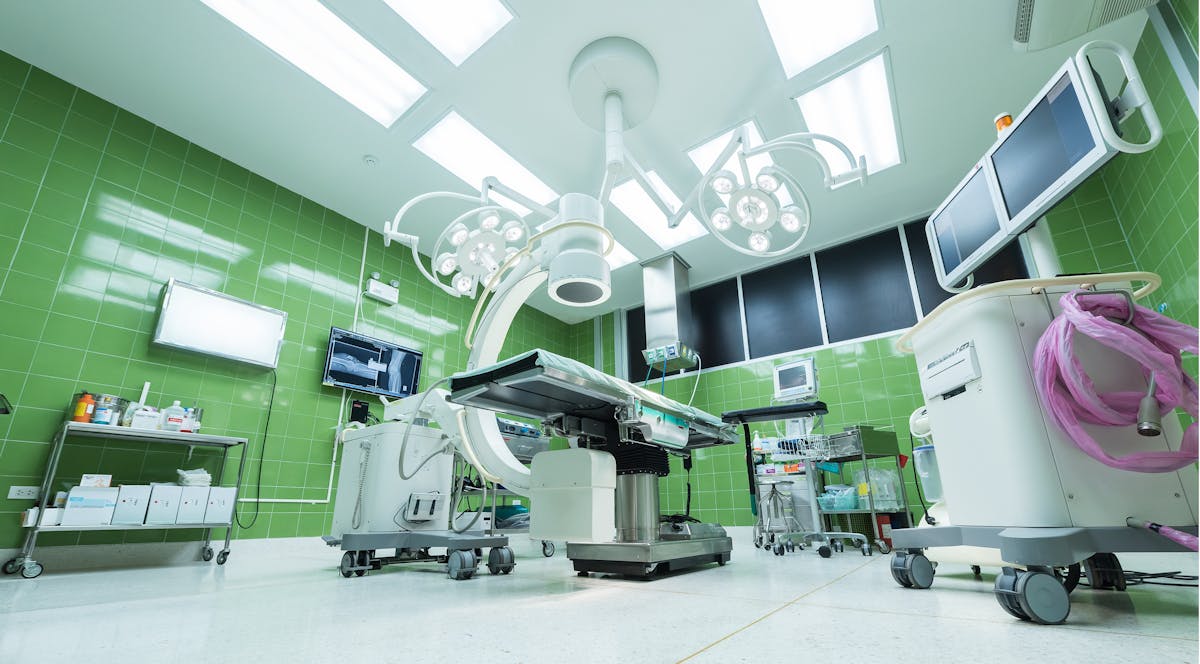
Advanced Neurological Diagnostics
EEG (Electroencephalogram)
Measures brain electrical activity to detect epilepsy and other disorders.
EMG (Electromyography)
Assesses nerve and muscle health to diagnose neuropathy and muscle diseases.
MRI & CT Scans
Advanced imaging to visualize the brain and spinal cord.
Cognitive Health Assessments
Tests to evaluate memory, attention, and other cognitive functions.
Meet Our Specialist

Dr. Shree Narayan Yadav (SN Yadav)
Neurophysician
Associate Professor at Bir Hospital, Dr. Yadav holds MBBS and MD in Internal Medicine. With 15+ years in neurology, he specializes in tremors, movement disorders, stroke, epilepsy, and headaches. He provides advanced diagnostics like EEG and EMG, and is known for his patient-centered approach in managing chronic neurological conditions.
Frequently Asked Questions
What are the warning signs of a stroke?
The key warning signs of a stroke can be remembered with the acronym F.A.S.T.: Face drooping, Arm weakness, Speech difficulty, Time to call for help immediately. Other signs can include sudden numbness, confusion, or trouble seeing.
How do I prepare for an EEG test?
Before an EEG, you should ensure your hair is clean and free of oils or sprays. Avoid caffeine for at least 8 hours prior to the test. Our team will provide you with a complete list of instructions when you book your appointment.
What is the difference between a migraine and a regular headache?
A migraine is a type of headache that often includes more severe, throbbing pain, typically on one side of the head. It is often accompanied by other symptoms like nausea, vomiting, and extreme sensitivity to light and sound. Regular tension headaches are usually less severe and feel like a constant ache or pressure around the head.
Further Reading in Neurology

F.A.S.T. Action: Simple Stroke Prevention Strategies
Learn the F.A.S.T. signs of a stroke and the crucial lifestyle changes you can make to reduce your risk.

Beyond the Seizure: Living a Full Life with Epilepsy
An epilepsy diagnosis can be daunting, but with proper management, you can lead a full, active, and rewarding life.

The Connection Between Diabetes and Nerve Pain (Neuropathy)
If you have diabetes, you're at a higher risk for a type of nerve damage called peripheral neuropathy. Learn the signs and how to manage it.